A 5E lesson plan is an instructional approach based on five stages of learning: Engage, Explore, Explain, Elaborate, and Evaluate. The model guides students from an initial question or experience through exploration and explanation, then gives them opportunities to apply what they learned and demonstrate their understanding.
Teachers can use the 5E model to structure lessons around active learning, student inquiry, discussion, application, and assessment.
In this guide, you’ll find what happens at each stage, classroom examples, a complete 5E lesson plan example, and a free 5E lesson plan template you can download and use right away.
What Is the 5E Model?
The 5E instructional model is a lesson structure that puts student inquiry first. Instead of starting with a lecture, students explore a question or problem on their own, then build a formal understanding with the teacher’s guidance.
The model was developed in the late 1980s by BSCS Science Learning, with a team led by Rodger W. Bybee. It builds on the learning cycle used in earlier science education and on constructivist ideas about how students learn. Although the 5E teaching model started in science classrooms, teachers now use it in math, social studies, English language arts, and other subjects.
“The 5E instructional model was developed to support students in constructing understanding through engagement, exploration, explanation, elaboration, and evaluation.”— Rodger W. Bybee / BSCS
Here’s a quick overview of the 5E learning cycle, using a lesson on why objects sink or float:
| 5E Stage | Purpose | Example |
| Engage | Spark curiosity, activate prior knowledge, and surface misconceptions. | Show a short video of a can of regular soda sinking and a can of diet soda floating, then ask students to predict why. |
| Explore | Let students investigate the concept through hands-on or virtual activities before formal instruction. | Small groups test which objects sink or float in water and record their observations. |
| Explain | Students share what they found, and the teacher introduces vocabulary and clarifies the concept. | Groups share patterns they noticed, and the teacher introduces the concept of density. |
| Elaborate | Students apply their new understanding to a new situation. | Students design a foil boat that holds as many pennies as possible and explain their design using density. |
| Evaluate | Students and teachers assess understanding of the learning objective. | Students complete a short quiz and explain, in writing, why a large ship can float. |
1. Engage
What it is: The Engage stage hooks students’ interest and connects the lesson to what they already know. It’s also a chance to uncover misconceptions before instruction begins.
What the teacher does:
- Pose a thought-provoking question, show a surprising image or video, or present a real-world problem.
- Ask students what they already know or think about the topic.
- Listen for misconceptions, but hold off on giving answers.
Classroom example: In a social studies class, the teacher shows a photo of an empty city street from the 1918 flu pandemic and asks, “What do you think is happening here? What clues do you see?”
With Nearpod: Open with a Poll or an Open-Ended Question to see what every student thinks, not just the first hand that goes up. A short video or VR Field Trip can spark curiosity right away.


2. Explore
What it is: During Explore, students investigate the concept through hands-on activities, observations, or problem-solving before they get a formal explanation. The goal is for students to notice patterns and form their own ideas.
What the teacher does:
- Give students materials, data, or a task to investigate, usually in pairs or small groups.
- Ask guiding questions like “What do you notice?” and “What could you test next?”
- Observe and listen instead of explaining.
Classroom example: In math, students use pattern blocks to find out how many ways they can make a whole using halves, thirds, and sixths, recording each combination they find.
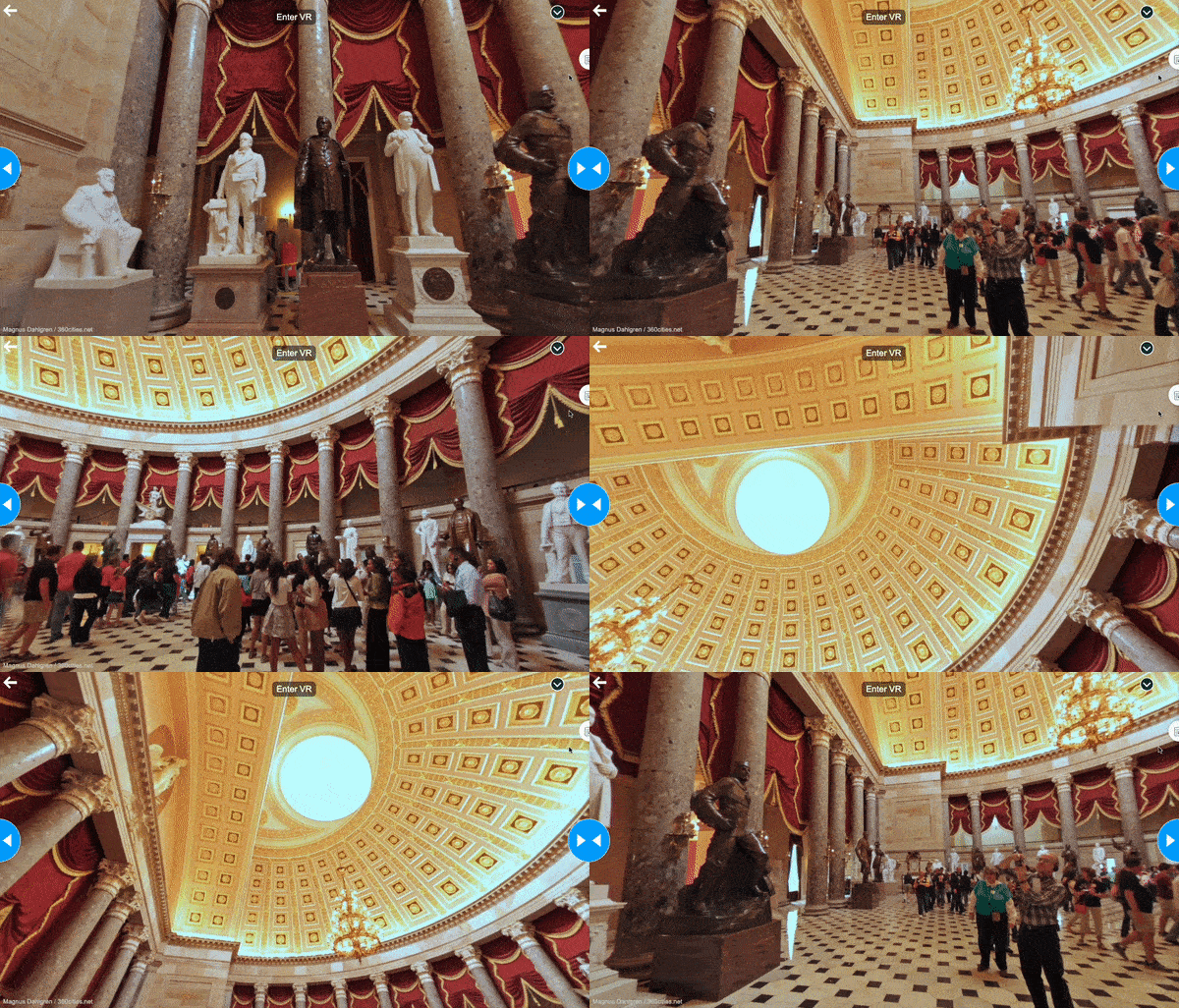
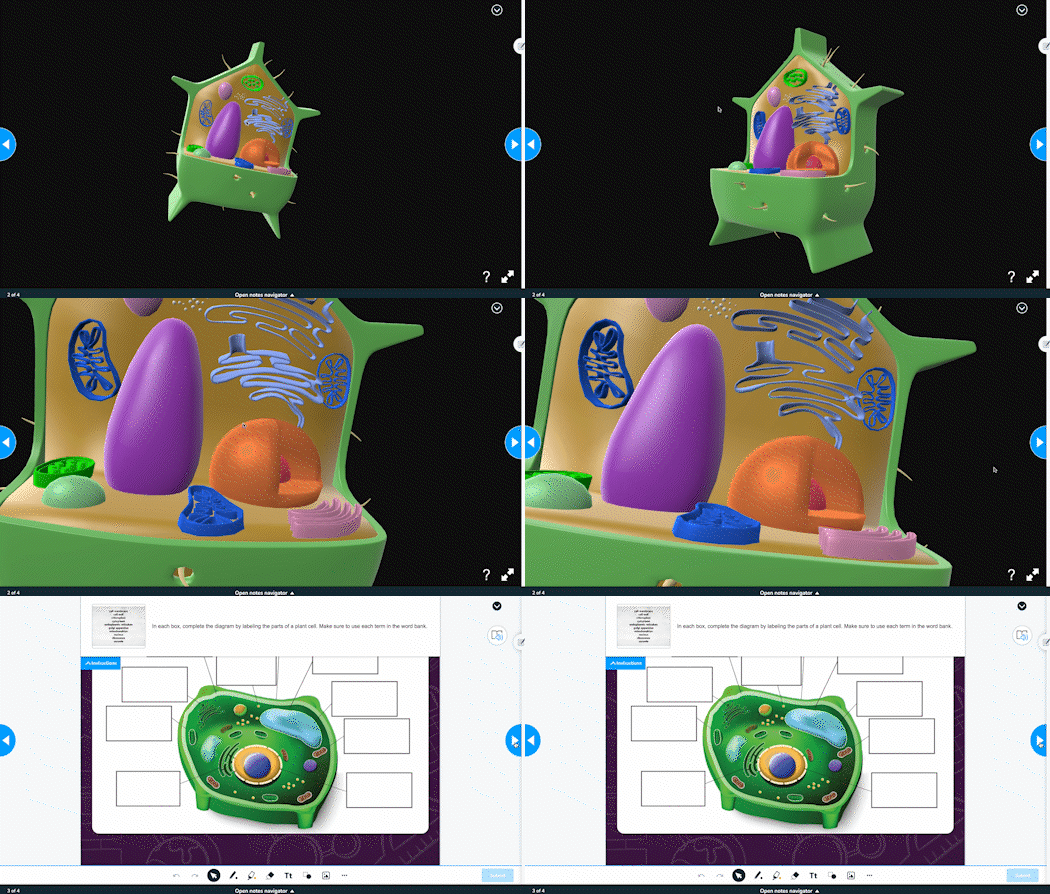
With Nearpod: Simulations, 3D models, and VR Field Trips let students explore things they can’t easily see in a classroom. Students can post observations to a Collaborate Board or sketch their findings with Draw It.
3. Explain
What it is: In the Explain stage, students share what they discovered, and the teacher helps them build a more formal understanding. This is where vocabulary, definitions, and direct instruction come in, connected to what students just experienced.
What the teacher does:
- Ask students to share and compare their findings.
- Introduce key vocabulary and clarify the concept.
- Connect students’ ideas to accurate explanations and correct misconceptions.
Classroom example: In ELA, after students sort story excerpts into groups, the teacher introduces the terms “first-person” and “third-person” point of view and explains how each changes what the reader knows.
With Nearpod: Teach new concepts with Nearpod interactive lessons that mix slides, video, and quick checks. Activities like Fill in the Blank and Matching Pairs help students practice new vocabulary as they learn it.


4. Elaborate
What it is: Elaborate gives students a chance to apply what they learned to a new situation. It deepens understanding and helps students transfer their learning beyond the original example.
What the teacher does:
- Present a new problem, scenario, or project that uses the same concept.
- Encourage students to use the new vocabulary and explain their thinking.
- Offer extension tasks for students who are ready for more of a challenge.
Classroom example: In science, after learning about food chains, students design a food web for a local ecosystem and predict what would happen if one species disappeared.
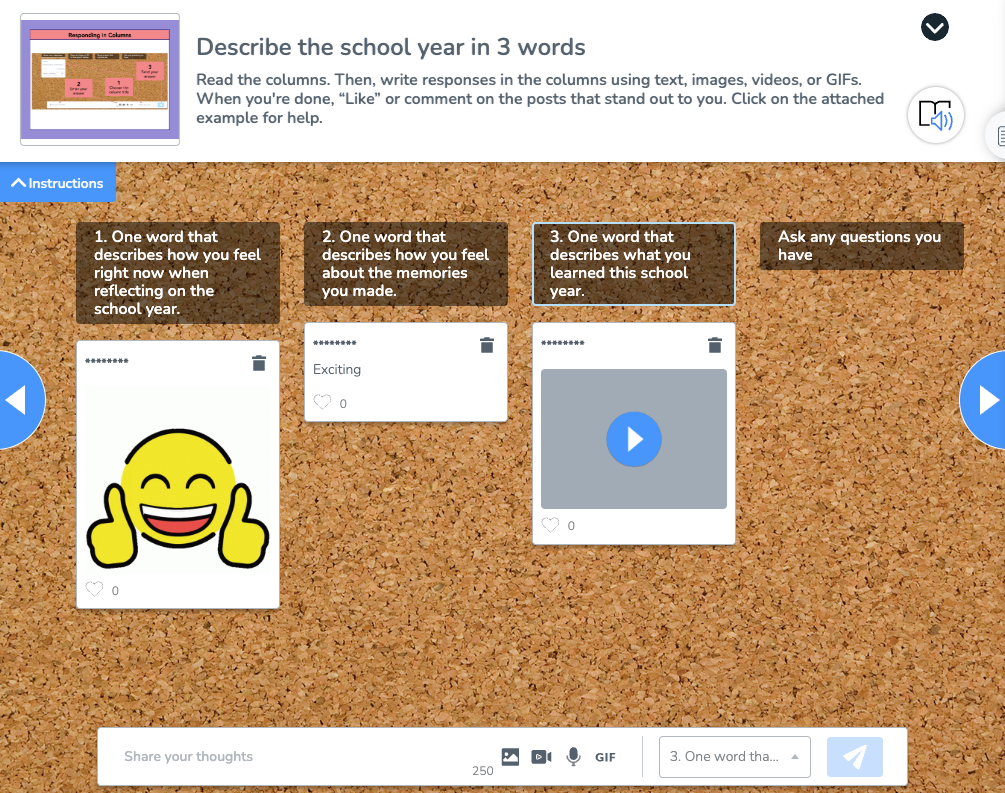
With Nearpod: Students can design and label their ideas with Draw It, organize information with Drag and Drop, or collaborate on a shared project with a Collaborate Board.
5. Evaluate
What it is: The Evaluate stage checks whether students met the learning objective. Evaluation can happen at the end of the lesson, but strong 5E lessons also include informal checks throughout every stage.
What the teacher does:
- Use quizzes, exit tickets, performance tasks, or written explanations to assess understanding.
- Ask students to reflect on how their thinking changed.
- Use the results to plan reteaching or next steps.
Classroom example: In social studies, students write a short paragraph explaining two causes of the American Revolution, using evidence from the primary sources they studied.
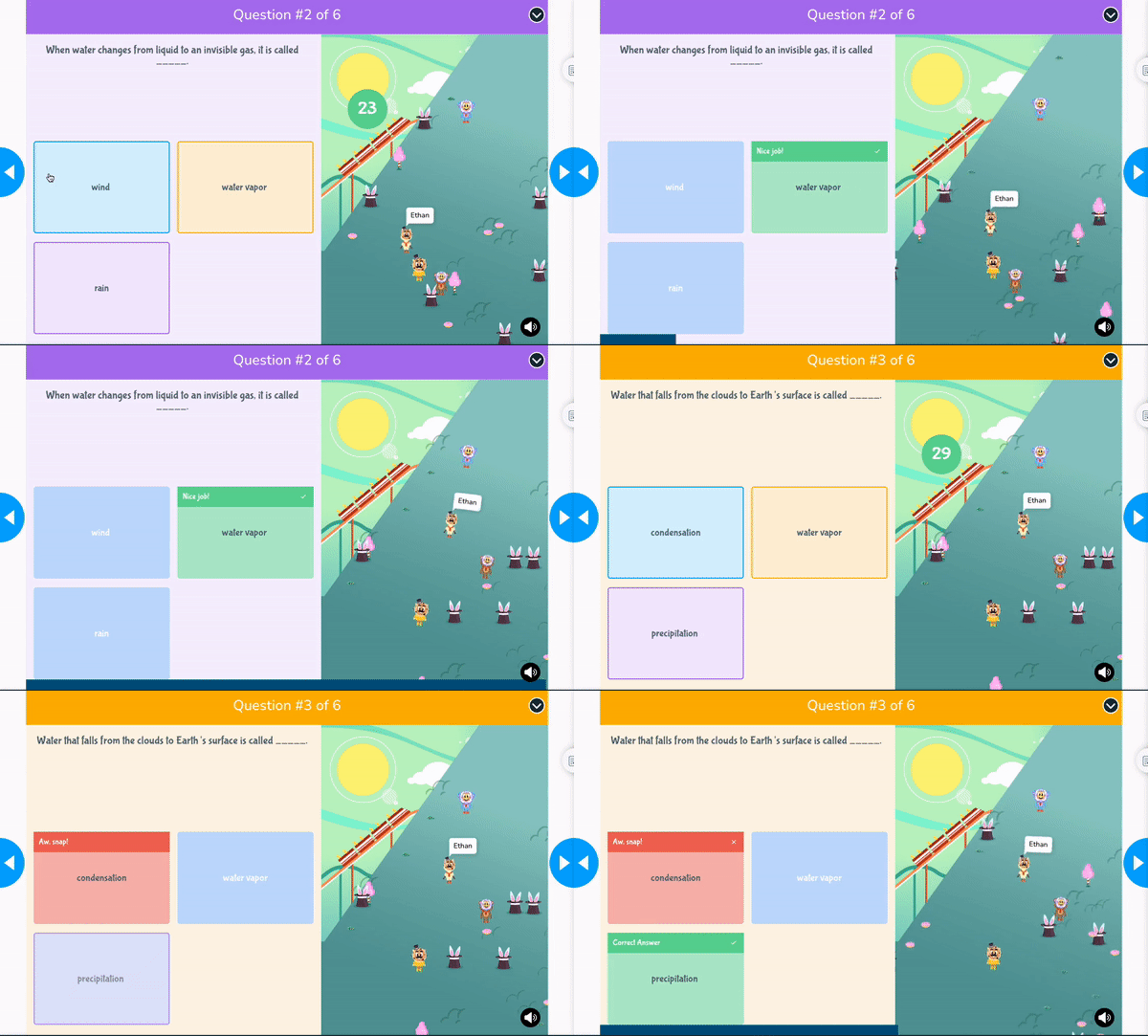
With Nearpod: Use built-in formative assessment tools like Quizzes and Open-Ended Questions to check understanding, then review individual results in post-session reports. For a fun review, try a game of Time to Climb.Climb.
5E Lesson Plan Example
Here’s a complete 5E model lesson plan you can adapt for your own classroom.
Subject: Science
Grade level: Grades 5–7
Topic: Density: Why do some objects sink while others float?
Time: About 50–55 minutes
Learning objective: Students will be able to explain why objects sink or float using the concept of density.
Materials: Tubs of water, small objects (cork, coin, plastic block, apple slice, marble, crayon, paper clip, sponge), aluminum foil, pennies, and devices for the Nearpod lesson.
| Stage | Time | Activity | Nearpod tool |
| Engage | 5 min | Show a video of two soda cans in water: one sinks, one floats. Students predict why. | Video with an embedded Poll and an Open-Ended Question |
| Explore | 15 min | In small groups, students test 8 objects, predict whether each will sink or float, and record results. | Collaborate Board to post observations, or a density simulation for virtual testing |
| Explain | 10 min | Groups share patterns. The teacher introduces density, mass, and volume, and connects them to the soda cans. | Interactive slides with Fill in the Blank and Matching Pairs |
| Elaborate | 15 min | Students build foil boats to hold the most pennies, then explain their design using density. | Draw It to sketch and label designs before and after testing |
| Evaluate | 5–10 min | Students take a short quiz and write an explanation of why a large steel ship can float. | Quiz or Time to Climb, plus an Open-Ended Question |
Notice how the lesson saves formal vocabulary for the Explain stage. Students first experience the concept, then learn the words to describe it.
How to Write a 5E Lesson Plan
Ready to build your own? Follow these steps:
- Start with your learning objective. Decide what students should know or be able to do by the end of the lesson.
- Plan your evaluation first. Decide how students will show they met the objective, then design the other stages to lead there.
- Find a strong hook. Choose a question, image, demonstration, or problem that makes students curious.
- Design an exploration before you explain. Give students something to investigate before you introduce vocabulary or formal definitions.
- Plan the explanation around student findings. Build on what students noticed during Explore.
- Add a new context for Elaborate. Choose a task that asks students to apply the concept in a different way.
- Check understanding throughout. Build in quick checks at every stage, not just at the end.
Choosing technology for each stage? The SAMR model can help you think about how technology changes each task, and our TPACK article explains how to match tools to your content and teaching approach.
Build 5E Lessons With Nearpod
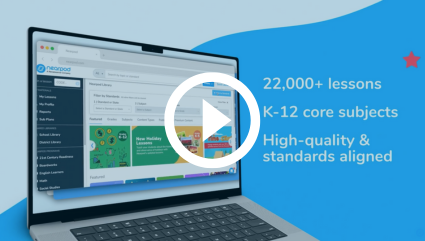
Nearpod makes it easy to plan all five stages in one lesson. Hook students with videos and Polls, let them explore with simulations and VR Field Trips, teach new concepts with interactive slides, apply learning with Draw It and Collaborate Board, and check understanding with Quizzes and Time to Climb.
Short on planning time? Browse the Nearpod Lesson Library for ready-to-teach lessons you can adapt to the 5E model. School and district leaders can compare plans on the Nearpod pricing page.
Sign up for free and build your first 5E lesson today.
Frequently Asked Questions About the 5E Lesson Plan
A 5E lesson plan is based on five instructional stages: Engage, Explore, Explain, Elaborate, and Evaluate. The model helps teachers structure learning around student engagement, investigation, explanation, application, and assessment.
The five steps are Engage, Explore, Explain, Elaborate, and Evaluate. Each stage has a different purpose, from activating prior knowledge and sparking curiosity to applying new learning and assessing understanding.
An Engage activity could be a thought-provoking question, image, demonstration, poll, or real-world problem that activates students’ prior knowledge and creates curiosity about the lesson topic.
An Engage activity could be a thought-provoking question, image, demonstration, poll, or real-world problem that activates students’ prior knowledge and creates curiosity about the lesson topic.
During Explore, students investigate a concept through activities, observations, or problem-solving before receiving a formal explanation. During Explain, students communicate what they discovered and develop a more formal understanding with guidance from the teacher.
Yes. Teachers can adapt the 5E model to subjects including science, math, social studies, English language arts, and other areas by designing activities appropriate to their learning objectives and students.

Gaby is a former middle school science teacher who is passionate about designing engaging educational content for all students.